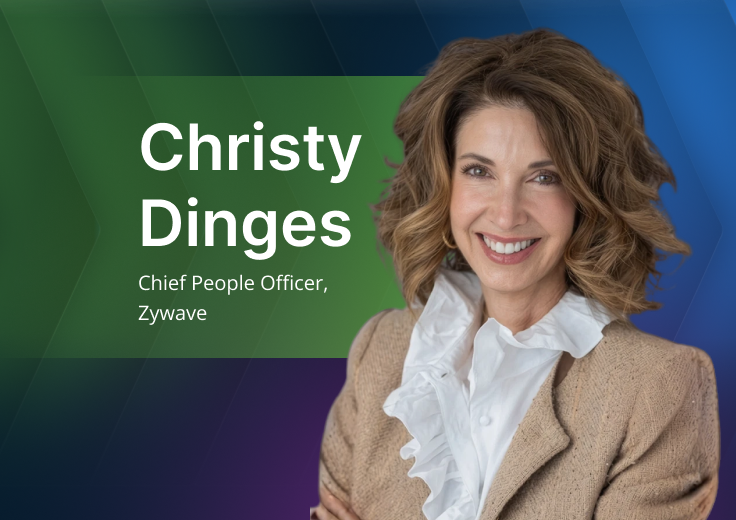
By Christy Dinges, Chief People Officer, Zywave
I’ve spent most of my career walking into companies at exactly this moment: the org chart is expanding, the ambition is real, and there’s an obvious opportunity sitting just underneath the surface. In our world, that’s an agency that just closed an acquisition and inherited a second book of business overnight, or a carrier standing up a new underwriting team to keep pace with growth.
Leaders usually reach for the obvious levers first: more headcount, better tools, an exciting new process. The lever I reach for is simpler. Are the people already here sitting in the roles where their strengths get to shine?
Why a People Strategy Matters More Than Headcount During Growth
It’s tempting to treat growth as a staffing math problem. A common response is to add enough producers, underwriters, or claims handlers, and assume the work gets done. I’ve seen the opposite happen just as often: a company adds headcount and gets slower, because new hires and the existing team were never set up to complement each other.
This shows up constantly after an agency merger, when two teams get stitched together on paper before anyone’s sorted out who’s suited to carry which accounts forward. A real people strategy is about whether every person’s strengths are pointed at the problems that need them.
What Does Strength-Based Talent Alignment Look Like?
This isn’t about personality tests or forcing people into predefined boxes. It’s a genuine fit question: does this person’s way of thinking and solving problems match what the role demands day to day? I’ve watched a detail-driven account manager get pushed into new-business prospecting because the agency needed “more sales,” only to struggle. Move that same person into managing a complex renewal book, and they thrive. The talent was there all along. It just needed the right place to land, whether that’s a producer, an underwriter, a claims adjuster, or a service rep.
Getting this right is well within reach for any growing agency or carrier. Talk to managers about what a role truly requires, not just what the job description says; watch where people naturally do their best work, whether that’s deep in the policy details or in front of a client; and stay open to moving someone into a seat where they’ll flourish, even when it feels disruptive in the short term, especially right after an acquisition or a big growth push.
How Role Alignment Builds a Culture That Scales With Growth
Here’s what I’d want every agency principal and carrier leader scaling their organization to understand: culture scales because people feel that someone is paying attention to where they fit, not just filling seats as fast as possible. That feeling of being seen is what turns a job into a place someone wants to grow, and it’s what lets people take ownership instead of waiting to be told what to do, so growth doesn’t depend on every decision running through the same three people at the top.
Get this right at scale, and the payoff compounds by enabling talented people to do their best work in roles built for them, and a culture that grows stronger with every acquisition or new hire instead of thinner.
Building a Growth Strategy Around People, Not Just Positions
If there’s one thing I’d ask leaders to take as a go-forward action item, it’s to stop treating role fit as a nice-to-have revisited at annual reviews. Treat it as core growth infrastructure, the same way you’d treat your tech stack or go-to-market plan.
The agencies and carriers that scale well are the ones that get the fewest people wrong for their seats, and are honest enough to fix it when they don’t. It’s slower than hiring, but it’s worth every bit of the extra attention.